WordPress is one of the most popular platforms for building websites. It is flexible, powerful, and supported by a massive ecosystem of themes and plugins.
But building a directory website with WordPress is a different challenge.
A directory needs more than pages and blog posts. You need structured listings, categories, search, filters, listing pages, submissions, SEO, custom fields, and often a way to monetize the businesses, products, or services listed on your website.
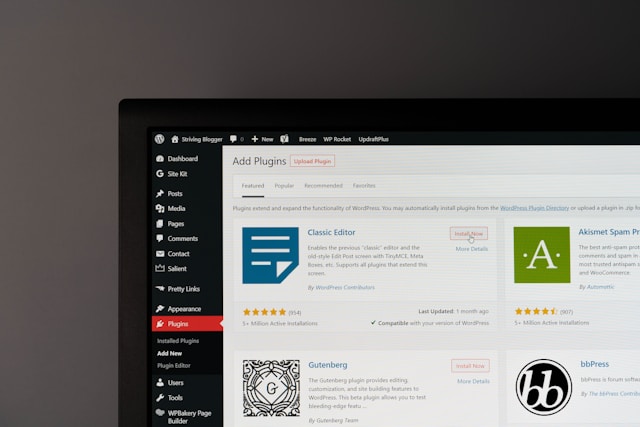
With WordPress, these capabilities often require a combination of themes, directory plugins, extensions, payment plugins, hosting, and ongoing maintenance.
For someone who simply wants to launch a directory and start growing it, that can create unnecessary complexity.
This is where specialized WordPress alternatives for building directory websites become interesting.
Instead of turning a general-purpose CMS into a directory platform, you can start with a platform specifically designed around structured listings and directory websites.
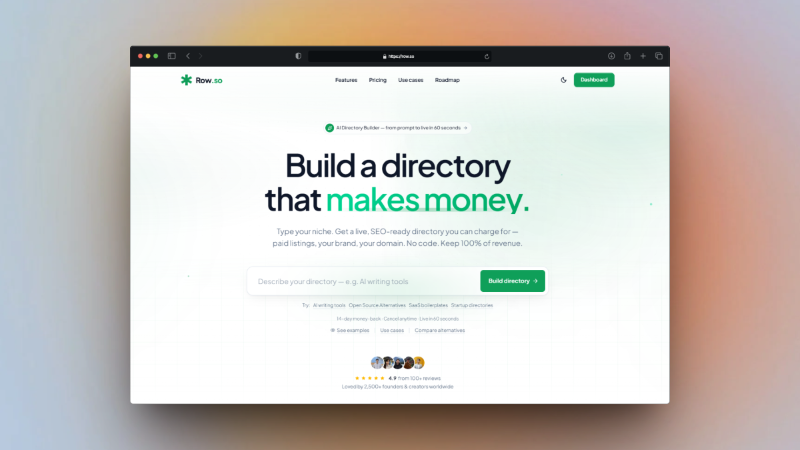
One of those platforms is Row.so.
What Makes a Good WordPress Alternative for a Directory Website?
The best WordPress alternative depends on what you are trying to build.
If your goal is to create a traditional content website, WordPress may still be an excellent choice.
But if your goal is to launch a directory business, you should look for a platform that makes the following things simple:
Structured listings: Every business, product, tool, job, or resource should have its own structured data.
Categories and filters: Visitors should be able to quickly discover relevant listings.
Search: A directory needs a fast and useful way to find information.
SEO: Category pages and individual listing pages should be optimized for search engines.
Custom domains: Your directory should look like a real standalone business rather than a page hosted on another platform.
Flexible templates: Different directory ideas require different layouts and experiences.
Data management: Managing hundreds or thousands of listings should not become painful.
Monetization: You should be able to turn traffic and listings into revenue.
Low maintenance: You should spend your time growing the directory rather than constantly maintaining plugins.
These are the areas where a specialized directory builder can have a significant advantage over a general-purpose CMS.